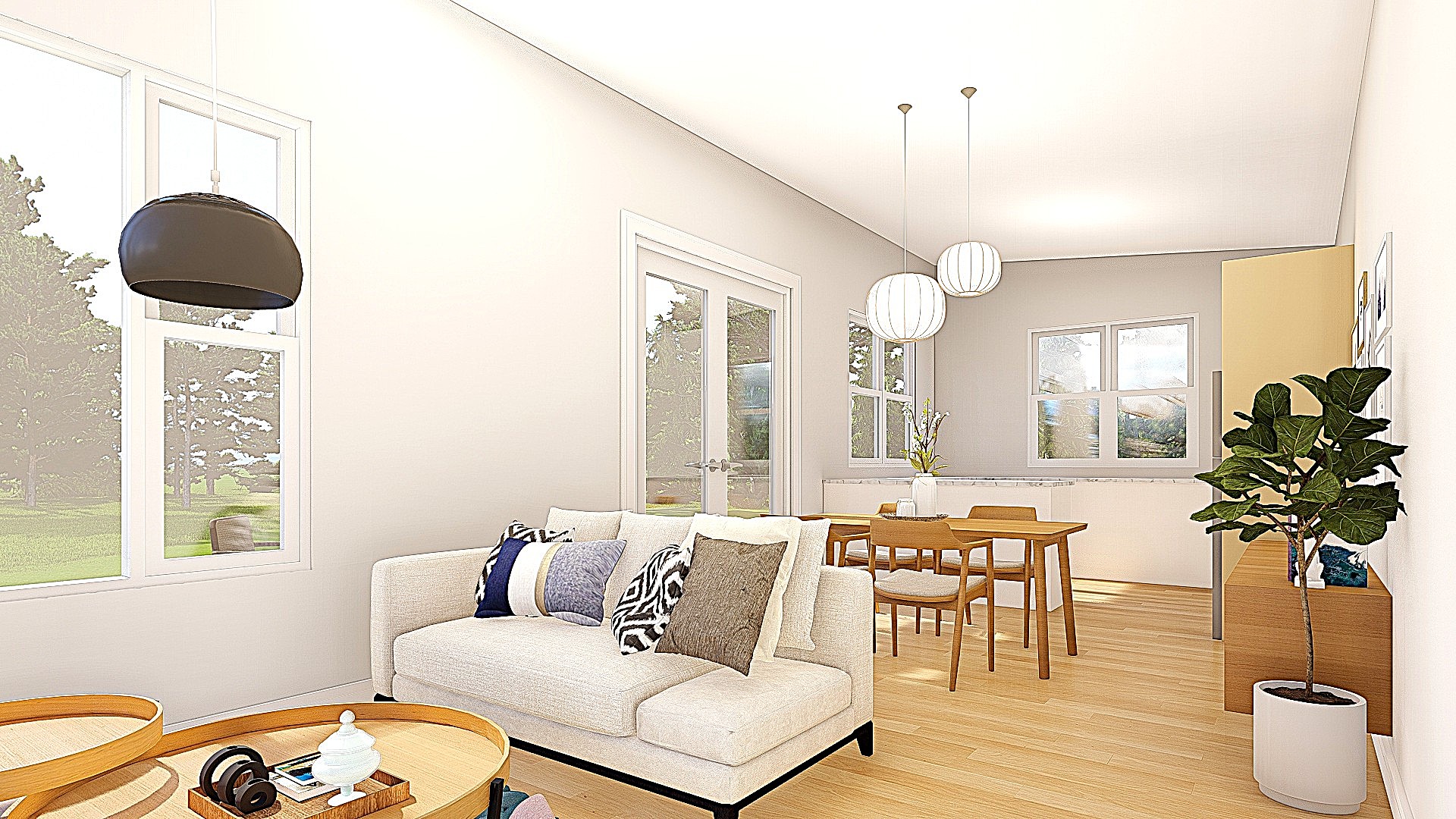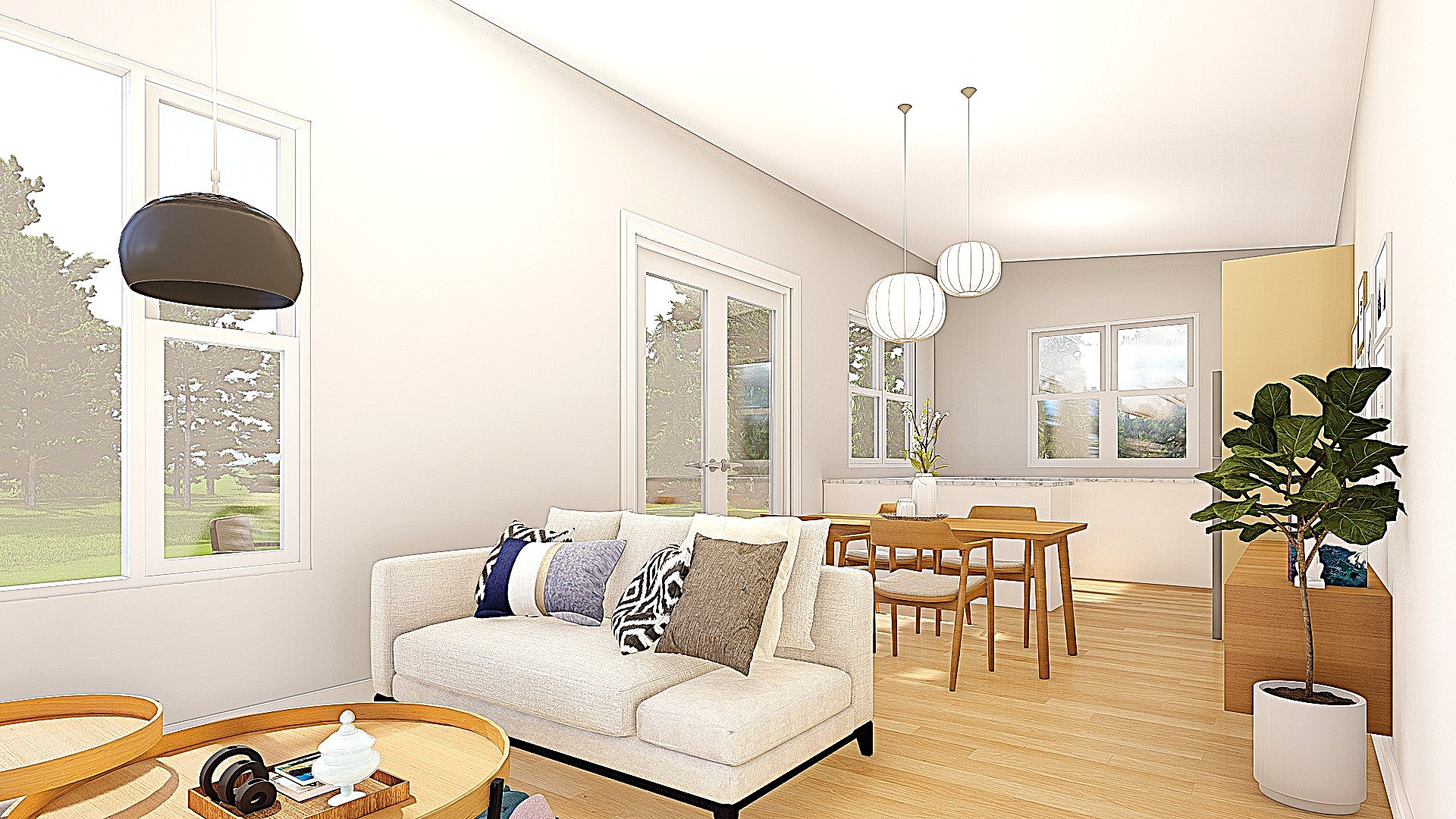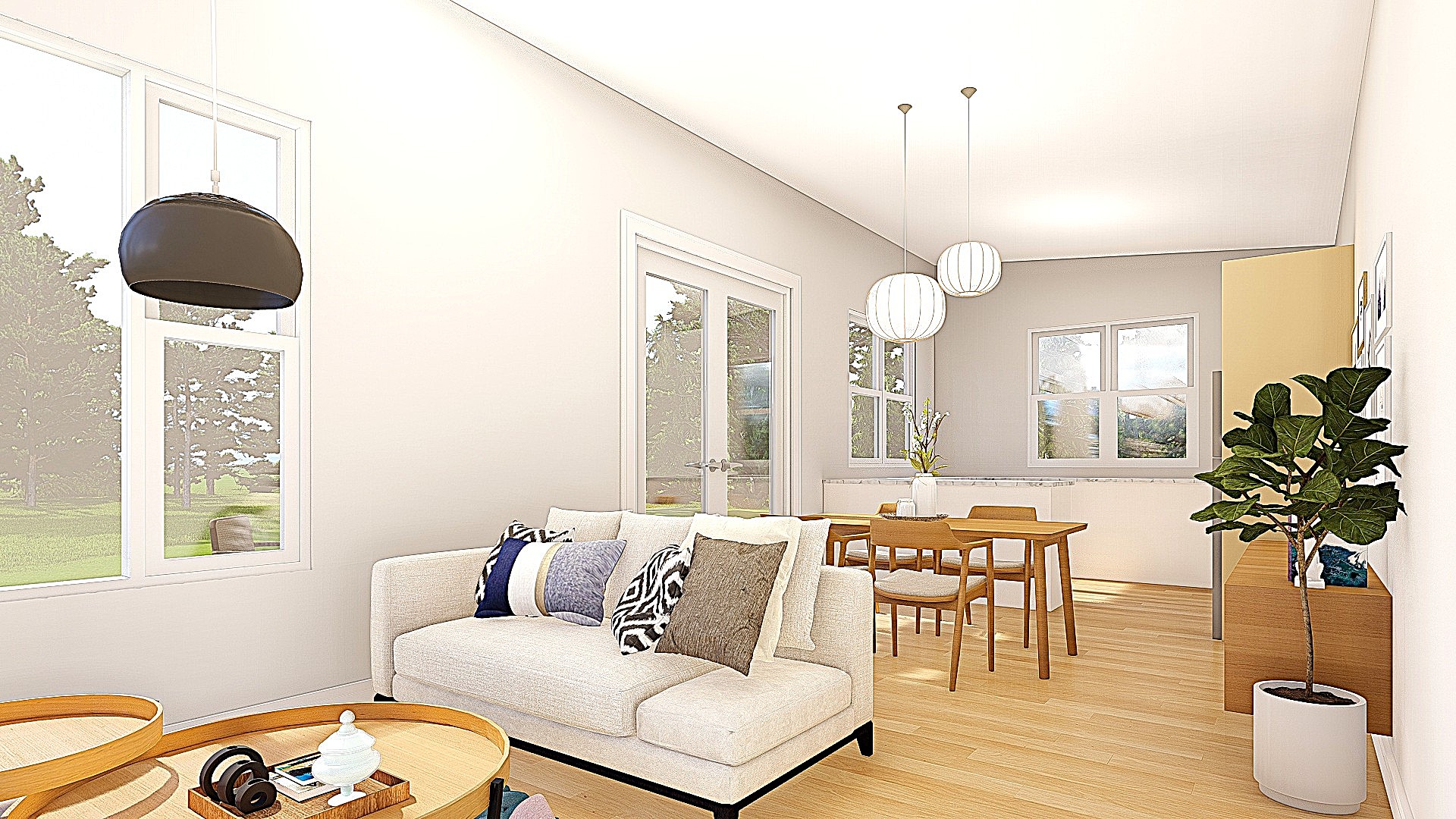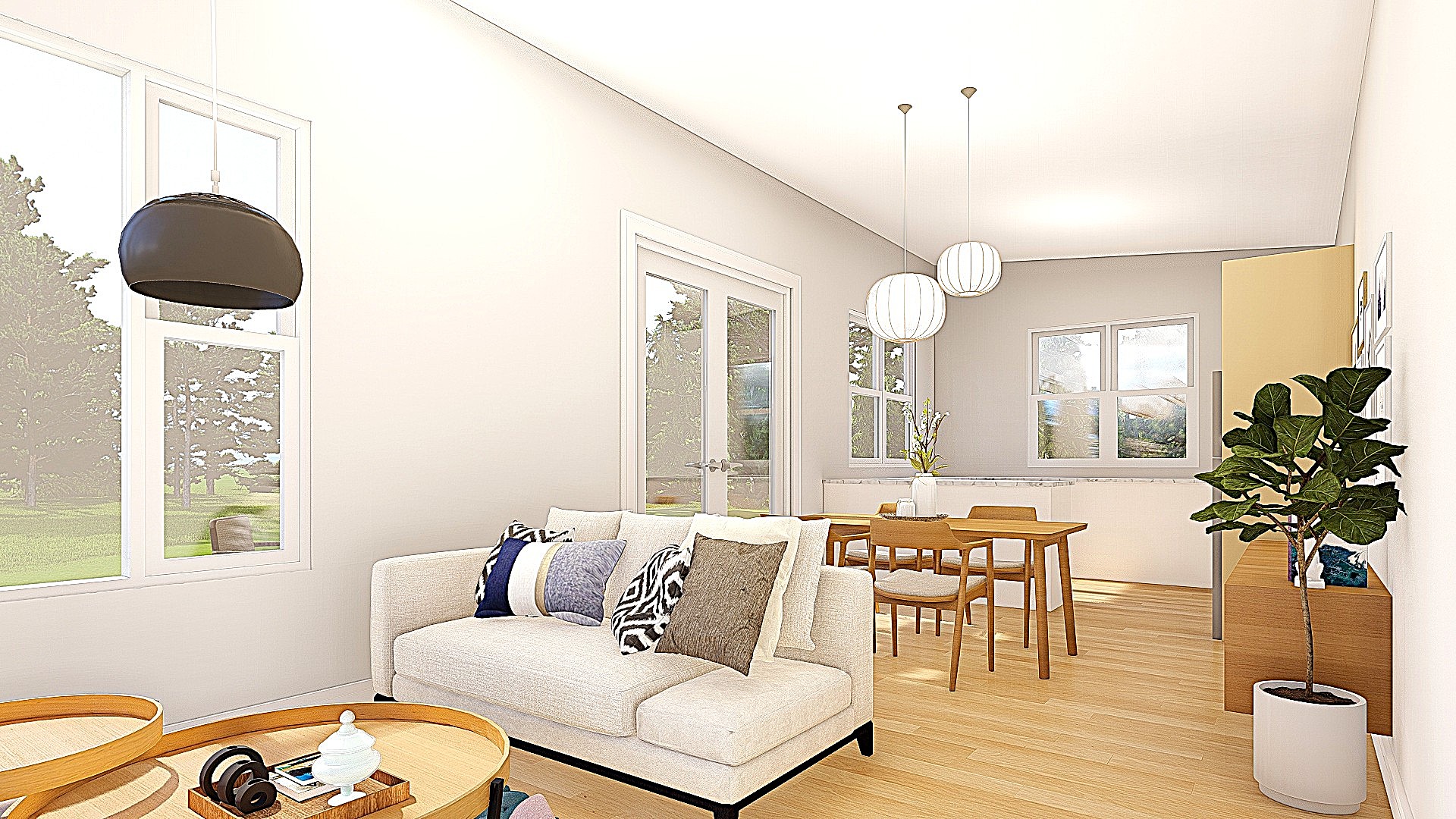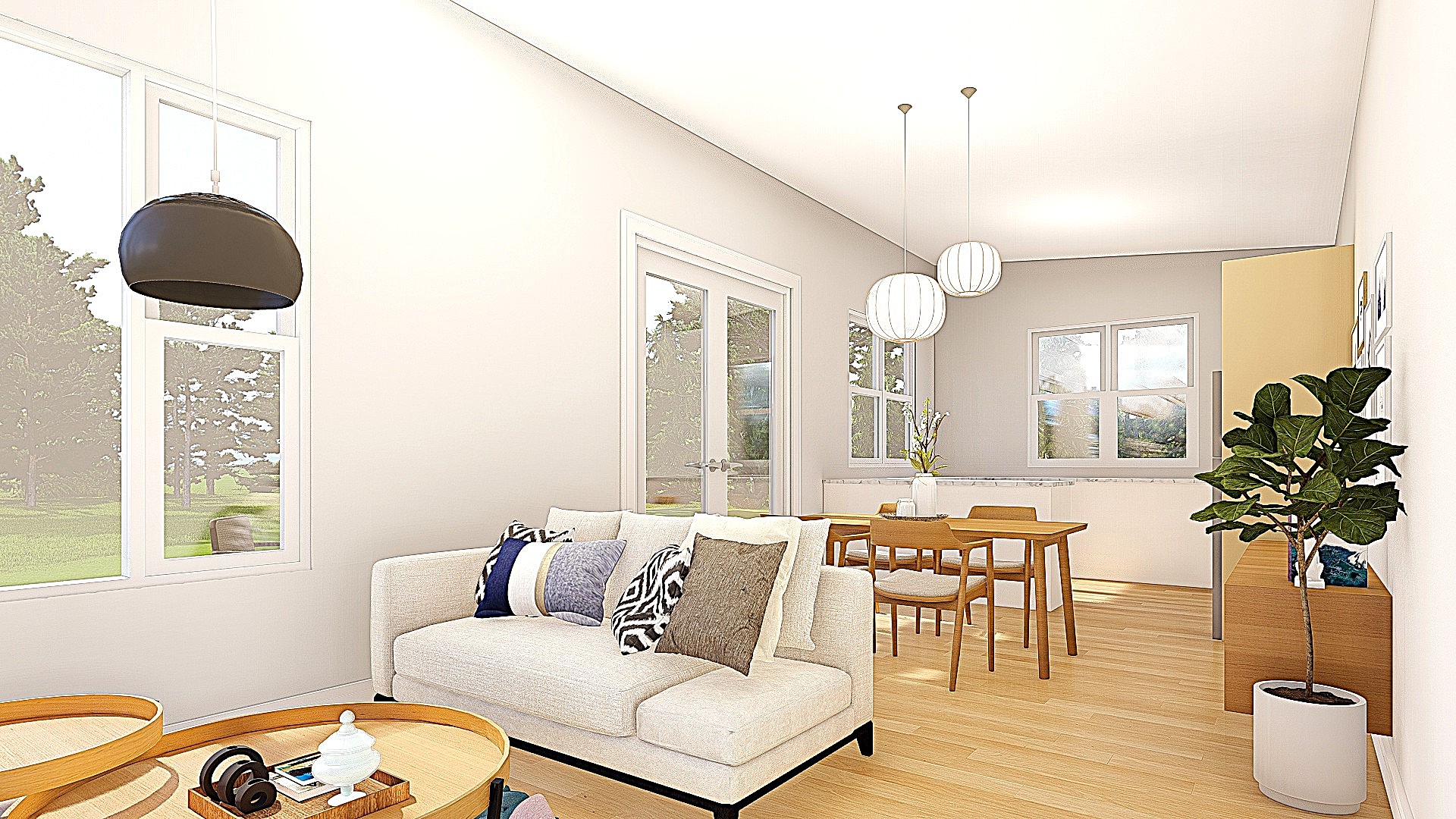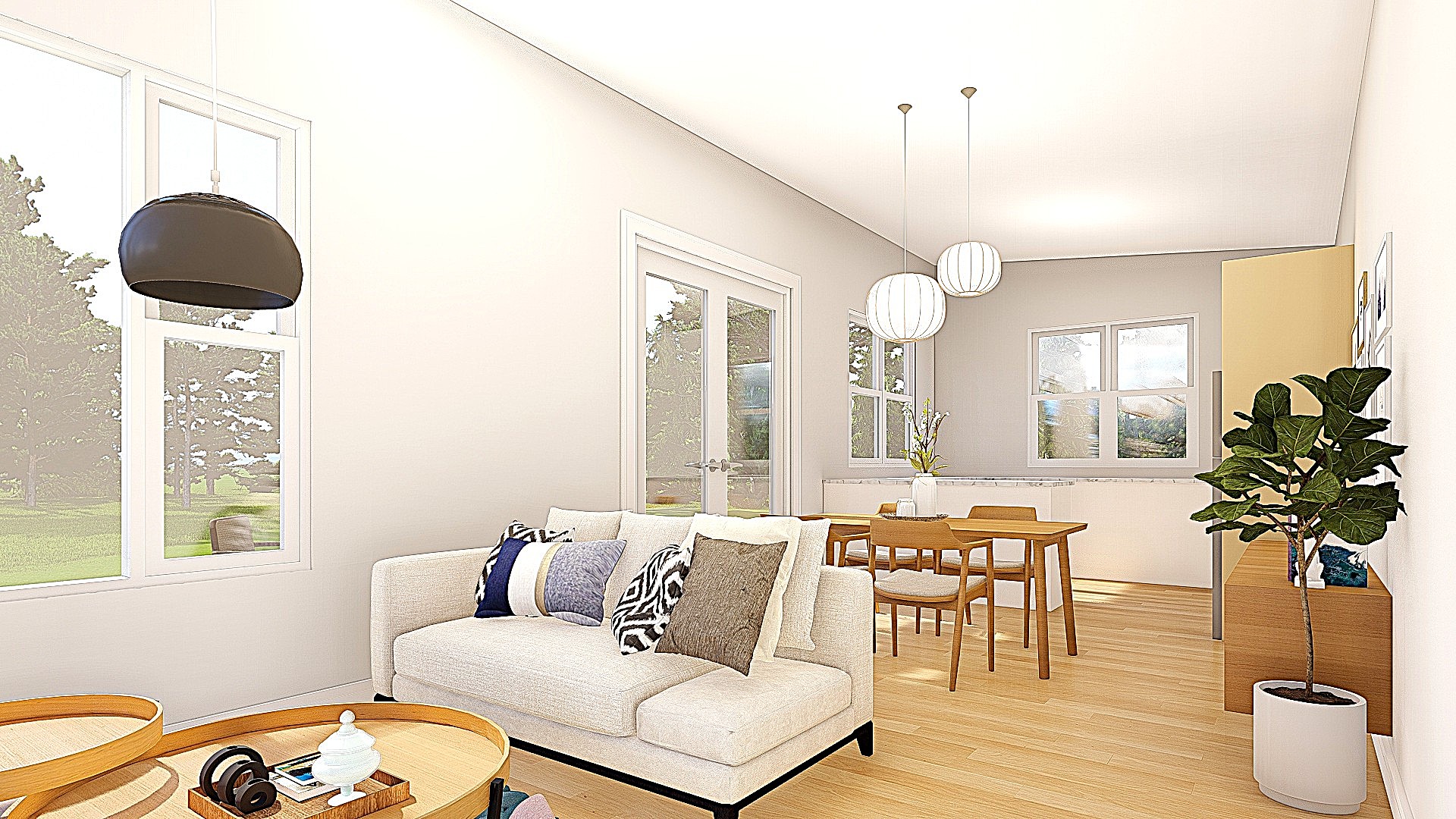
At Petite Cottages, we specialise in creating refined, functional second dwellings designed for life in the Southern Highlands. Whether you’re building a private retreat, a home for family, or an income-generating rental, our architecturally considered granny flats combine timeless design with practical living.
With a curated collection of select plans and the option for customisation, we bring clarity, efficiency, and local knowledge to every project—from Bowral to Bundanoon, Mittagong to Moss Vale.

Offering a low-maintenance lifestyle with a full kitchen and laundry in just 25m², perfect for guests, independent living, or short-term stays.
Blending compact living with clever storage and optional sleeping space, ideal as a stylish extension or self-contained retreat.
Charming and compact – a refined retreat among the gums.
Experience a thoughtfully designed, energy-efficient home that maximises space and adapts beautifully to work, rest, or entertaining.
Breathe deep and unwind. Experience indoor elegance with alfresco soul.
Experience all the comforts of a primary residence in a compact, customisable layout.
Spacious living, Southern Highlands style. Gracefully designed for comfort and company.
Have a question that isn’t here? Please feel free to contact our friendly team- we’re always happy to help.
To build a granny flat, your property must be at least 450m2 in total area to meet eligibility requirements.
The placement of a secondary dwelling in relation to the main house varies based on local zoning regulations and the specific requirements of the SEPP. Usually it has to be within a certain distance from the primary residence – 50m. Generally, it must meet certain setback requirements from the property boundaries.
Unfortunately, you cannot. Since a granny flat is considered a secondary dwelling, regulations allow for only one secondary dwelling per property.
Yes, building a secondary dwelling generally requires council approval. There are several approval pathways. You can either go through a Development Application (DA) process or, if your proposal meets specific criteria, you can seek approval through the Complying Development Certificate (CDC) process, which is usually faster. You can contact your local council, for specific details, however sometimes specific conditions like your Zoning or being on Septic will mean one approval pathway may be closed to you.
The timeframe for approval can vary significantly. A Complying Development Certificate (CDC) can take as little as 10 days if all criteria are met, while a Development Application (DA) might take several months or more depending on the complexity of the project and specific council requirements.